
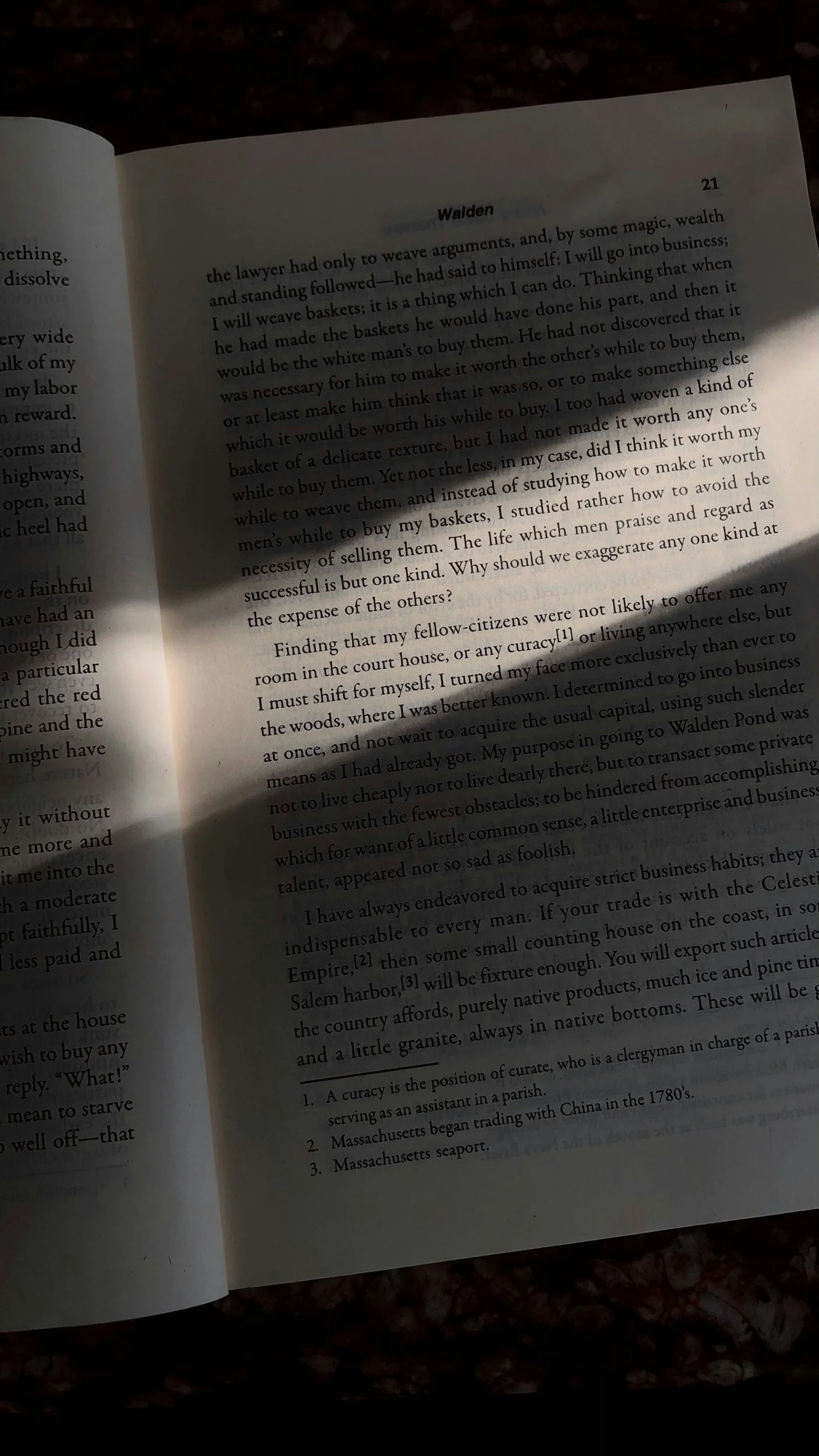
Adam Mastroianni makes an optimistic case for the future of text. I certainly want this to be true, and the stubborn survival of many bookstores makes it feel at least plausible. Here are a couple of quotes to give the flavour of his piece.
“I think there is a deep truth here: human desires are complex and multidimensional, and this makes them both hard to quench and hard to hack. That tinge of discontent that haunts even the happiest people, that bottomless hunger for more even among plenty—those are evolutionary defense mechanisms. If we were easier to please, we wouldn’t have made it this far. We would have gorged ourselves to death as soon as we figured out how to cultivate sugarcane.”
“I didn’t always believe this. I was persuaded on this point recently when I met an audio editor named Julia Barton, who was writing a book about the history of radio. I thought that was funny—shouldn’t the history of radio be told as a podcast?
No, she said, because in the long run, books are all that matter. Podcasts, films, and TikToks are good at attracting ears and eyes, but in the realm of ideas, they punch below their weight. Thoughts only stick around when you print them out and bind them in cardboard.
I think Barton’s thesis is right. At the center of every long-lived movement, you will always find a book.”