


The gates to AI Hell have been opened wide, and out flows an endless stream of automatically generated and often disturbing rubbish to distract those enchained to their phones. Cue the Dead Internet theory. Ironically, this eerie, pointless slop is used by other AIs for ‘training’, setting up a downward spiral of declining quality. Combined with the drastic AI-led decline in search engine quality with results drowning in AI hot-takes and sponsored links (we’re looking at you, Google), the Internet is no longer looking like a place by humans and for humans, but an infinite chamber echoing with the meaningless chatter of trillions of bots. One suspects were are at the end stage of this process.
Peter Wood and Book Promotion
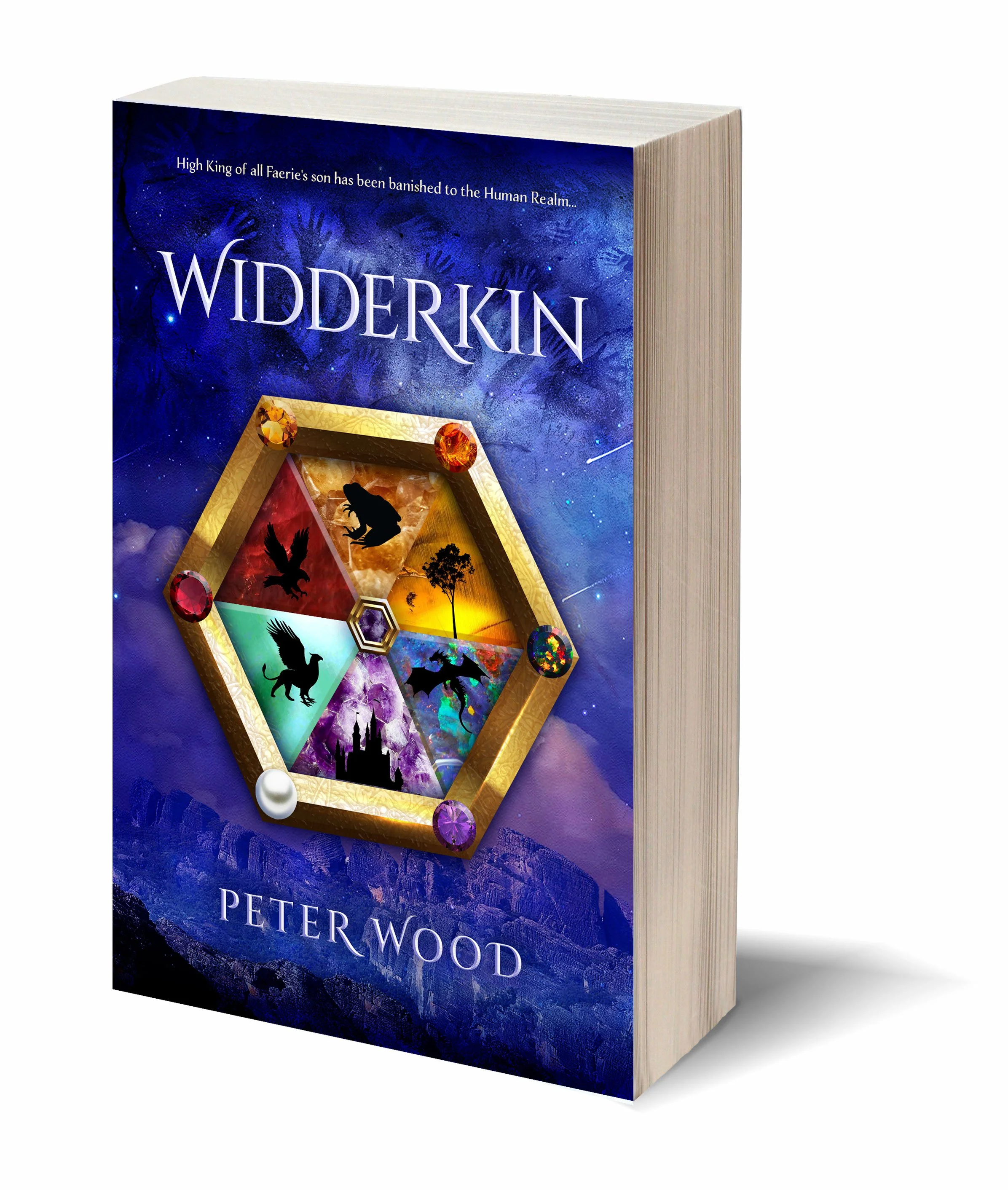
Author of several excellent works of fiction for young adults, Peter Wood describes his marketing strategy as follows:
“As a self published author I choose to market my work by regularly setting up a stall at community markets and engaging personally with any interested readers. This is a slow and steady process but over time the sales mount up.
Once a year I travel to Clunes for the BookTown weekend.Thousands of people come from near and far and scores of authors get the opportunity to present their work.”
Peter is considering creating a large retractable banner for his market stall and the Booktown event.
Read more about Peter and his work here. His titles can be purchased from Amazon Australia.
SquareSound Audiobooks
Another interesting service provider for authors interested in producing audiobooks. According to their website:
“Award winning specialist division of Australia’s leading post- production company, Soundfirm, producing audiobooks and podcasts at our state-of-the-art facilities in Melbourne and Sydney.
Our sound directors have the dedication required to bring to life these complex productions, backed by our team of experts in voice direction, language adaptation, editing and sound design.
We’ve produced hundreds of books and podcasts. From novellas, children’s books, fiction, non-fiction, multiple accents and languages, political essays and multi voice drama and this list keeps growing. A full list of our works and clients can be made available on request.”
Audiobooks remain one of the fastest growing segments of the book publishing world.
10 of the Best Places to Find Beta Readers That You Probably Haven’t Tried Yet

Eleanor Hecks writes about places to assemble a team of beta readers…
Many writers already know about the beta reader groups on Goodreads or the online writer’s community Scribophile. However, there are many unique places for them to meet and connect with beta readers outside these mainstream platforms.
Underrated Beta Readers
These places can be a bit under the radar or require more searching, but they can also help writers connect with talented beta readers to review their manuscript.
1. Reddit
Reddit is home to tons of niche communities, including readers and writers. Authors can post a personal ad on relevant subreddits like r/BetaReaders and r/DestructiveReaders to find beta readers interested in reviewing their work. They can also browse existing threads and see posts from people advertising their services there.
2. Facebook Groups
Facebook has around 3 billion monthly active users, making it a viable place to find beta readers. Authors can look up writing or dedicated beta reader groups to find peers they may want to work with.
3. Alumni Networks
Schools and universities boast vast alumni networks that include literature enthusiasts, writers and publishing professionals. For example, Harvard Business School has 90,662 alumni across 173 countries, making it the perfect place to look for beta readers and creative collaborators. Writers can reach out through alumni events, directories or mutual acquaintances and propose the arrangement.
4. Instagram Communities
Instagram has a growing community of readers and writers who can find each other through writing or genre-related hashtags. The platform hosts 2 billion active users, and some users advertise their services through hashtags like #betareaders or #betareaderswanted.
5. Twitter Hashtags
Twitter (now X) is a hub for real-time engagement for various niche groups, including the writing community. Writers can explore the search function and connect with beta readers and fellow authors through hashtags like #betareader and #writingcommunity.
6. Fiverr
A paid beta read is a good idea for writers who want a stranger’s opinion. Online gig platforms like Fiverr host hundreds of beta readers, whose prices range from $5 to over $500, depending on experience and expertise. When finding a beta reader on these platforms, it’s good practice to check their reviews or ask them about their experience to see if they are a good fit for the project.
7. Writing Workshops
Both online and in-person writing workshops establish an environment that welcomes feedback. Joining one, even for other forms of writing, helps authors connect and find potential beta readers. They can share excerpts of their work and receive feedback from fellow skilled wordsmiths.
8. Local Literary Events
Book fairs, conferences or bookstore readings are great places to meet other writers and readers. Conversations at these events can lead to beta reading exchanges or help authors find potential collaborators. For example, they can meet sensitivity readers, a type of editor specializing in promoting authentic representation of marginalized identities.
9. Fellow Authors
Some of the best beta readers are also writers. Authors understand story structure, pacing, tone and basic language rules. Writers can tap into their personal networks and find friends or acquaintances to beta read their work.
10. Friends and Family
Friends and family are some of the most accessible beta readers writers can access, especially if they’re new. They can provide helpful insights, especially if they form part of the book’s target audience. Writers may need to prepare specific questions relating to flow, clarity and other elements to guide their feedback.
Tips for Working Well With Beta Readers
Each beta reader is unique, bringing their own experience and perspectives to every manuscript they review. Here are some ways to make the most out of the writer-beta reader relationship:
1. Be Professional and Appreciative
Writers should be polite, professional and clear when approaching a potential beta reader. The first message should include a brief description of the work and some expectations. Being kind and appreciative is essential, especially since most beta readers perform this service for free.
2. Offer an Exchange
One way to secure a beta read from other writers is to offer an exchange, since it’s mutually beneficial. Beta read exchanges are also a great way to form relationships within the industry and gain expert writing insight.
3. Accept Their Critique
A beta reader might give negative feedback. As much as possible, writers should avoid arguing with their critique. They can clarify points of confusion, but accepting constructive criticism helps the writer understand other perspectives.
4. Send a Free Book
Sending a free book is good etiquette in beta reading, especially if the writer received a free service. Reading and critiquing an entire manuscript is hard work — giving away a free copy is the least a writer can do.
Thinking Outside the Box
Writers can find beta readers almost anywhere. Popular platforms like Goodreads are great, but smaller, niche or in-person communities also offer a wealth of talent to help authors refine their manuscripts and bring their stories to life.
Eleanor Hecks is a writer and web designer who is passionate about helping other writers grow their online presence. Her work can be found on her site Designerly, as well as publications such as IndependentPublishing.com and I Need a Book Cover.
Crooked Timber: An Excellent Book of Essays from Joe Dolce
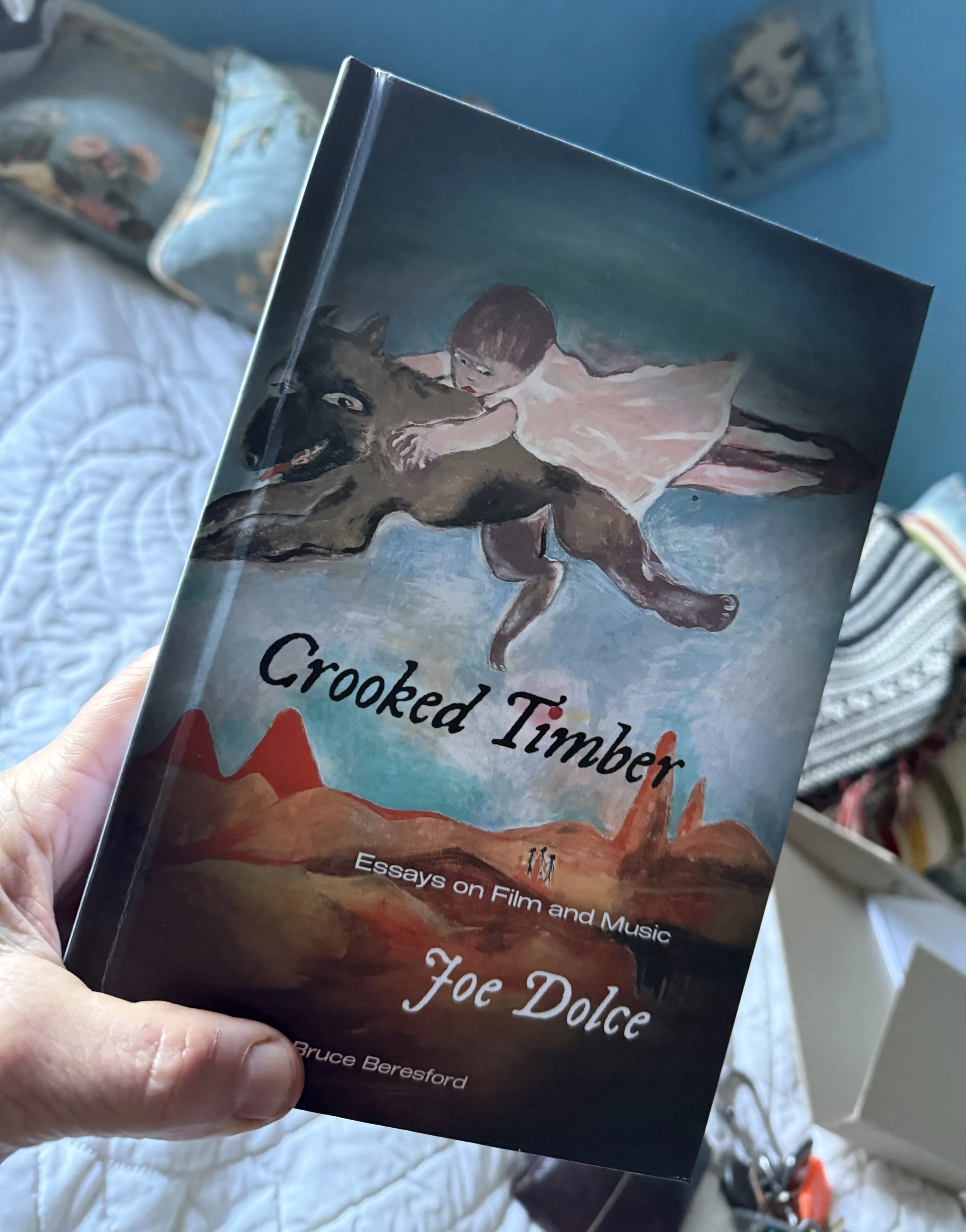
Besides pursuing a long and successful musical career, Joe Dolce is also an exceptionally good reviewer and essay writer. Crooked Timber is due for release on 1 August, containing dozens of intelligent and eclectic pieces. Whatever the topic, he tackles it from unexpected directions, with good humour and deep curiosity, and the reader leaves with much to ponder and a fund of new knowledge. From The Queen’s Gambit to the voyages of Captain Cook, the invention of the Kalashnikov to utopian settlements in Paraguay and Bob Dylan to Graham Greene, there isn’t a boring page in his book. He’s even thrown in a diverting short story exploring a strange after-life for Elvis Presley.
We worked with Joe on the cover design (artwork by Lin Van Hek) and the interior layout. with images of the hardback cover below.
Crooked Timber: Essays on Film and Music
ISBN (hardback): 9781764139427
ebook: 9781764139458
Published by Quadrant Books

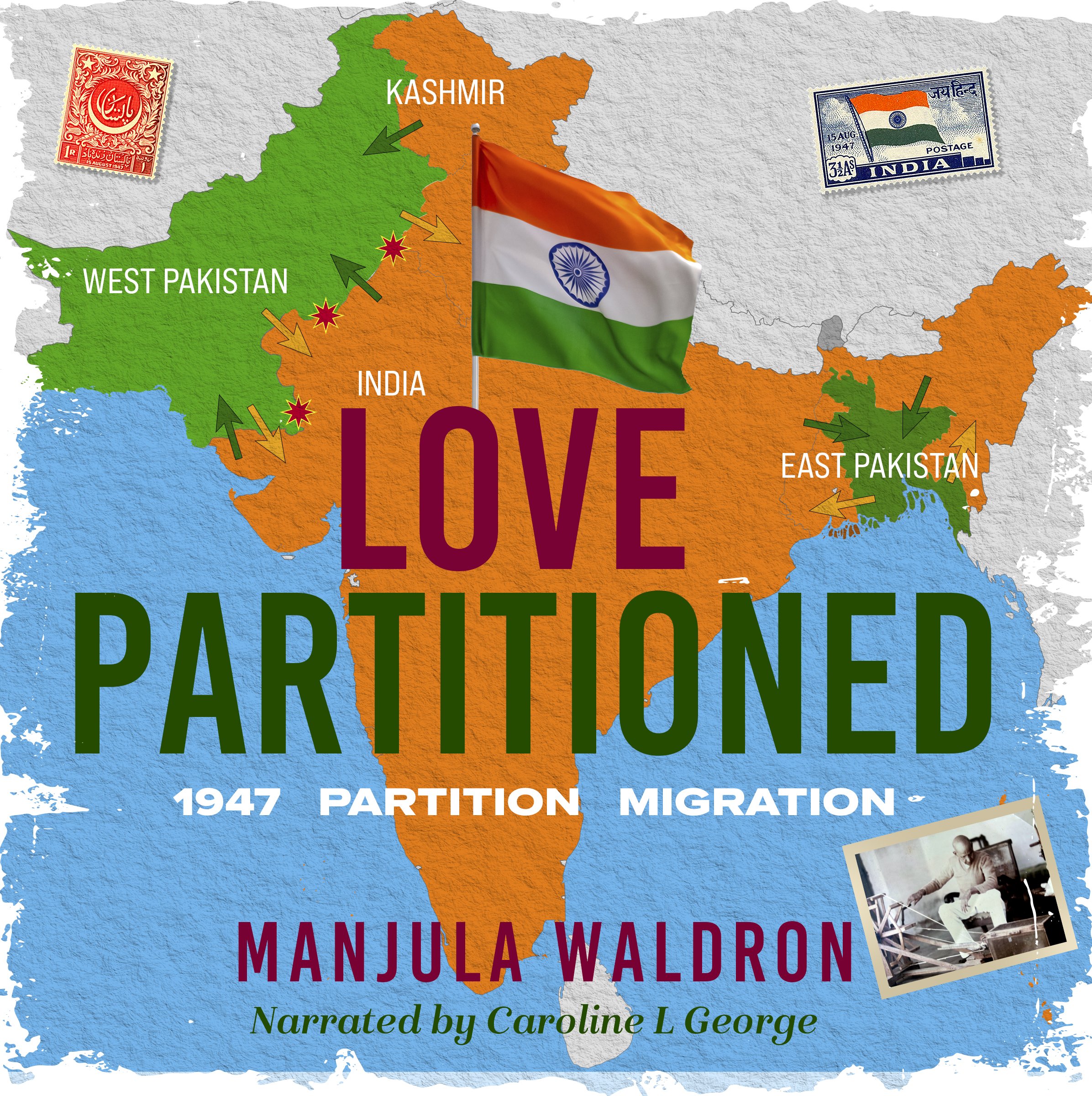
Free Advice on Digital book Promotion

Ricardo Fayet of Reedsy has a well reviewed and free ebook full of advice on marketing your book digitally. Well worth a read on a topic that daunts many authors…
Writing a book is hard. Marketing it can be even harder.
Marketing a book can seem like a full-time job, what with the crazy number of things authors seem to be expected to do: social media, blog tours, advertising, price promotions, mailing lists, giveaways, you name it.
But here's a little secret: you don't need to do all those things to successfully set your book on the path to success. What you need is a solid plan to find the one or two tactics that will work, and start to drive sales… in a minimum amount of time. And that's exactly what you'll find in this book.
Instead of drowning you in information or inundating you with hundreds of different tactics and strategies that eventually prove fruitless, this book will guide you through a step-by-step framework to find the ones that actually work for you and your book, so that you can start marketing more efficiently.
In particular, you'll learn:
How to change your mindset and sell more books with less effort.;
How to write books that guarantee a lasting, profitable career;
How to get Amazon's Kindle Store to market your book for you;
How to get thousands of readers into your mailing list before you even release the book;
How to propel your book to the top of the charts at launch; and
How to automate your marketing so that you can spend less time marketing and more time writing,
After helping over 150,000 authors crack the marketing code through a popular weekly newsletter, Reedsy's Co-founder Ricardo Fayet is sharing everything he's learned over the past few years in this beginner-friendly, jargon-free guide to book marketing.
Get your copy now and benefit from all the experience of a seasoned marketing professional.
The Nile and Booktopia Generally Sell IngramSpark Books for Less than Amazon

Many of my author clients have noticed that books uploaded via IngramSpark are priced much higher on Amazon than either Booktopia or The Nile. All take the same feed from IngramSpark and all three are hyper-modern business focused on efficient fulfillment, so one would expect very similar algorithmically driven pricing.
Let’s try a few specific examples:
John Dunlop’s excellent book The Wandering Pilgrim (ISBN 9781922958969) :
Booktopia: $43.90 plus shipping
The Nile: $38.96 plus shipping
Amazon Australia: $59.84 plus shipping
Or Garry Moore’s well-researched colonial history, Ridley Willians (ISBN: 9781764082846)
Booktopia: $38.75 plus shipping
Amazon Australia: $72.01 plus shipping
Balkarri Surfcats. Entertaining children’s illustrated fiction. (ISBN: 9781922958723)
The Nile: $20.32
Booktopia: $25.35
Amazon: $36.35
and finally, Tales of An Ancient Marathoner, the life of a long-distance runner (ISBN 9781763860179)
Amazon Australia: $38.12
The Nile: $38.12
Booktopia: $42.95
Some discussion of the possible reasons behind the often massive discrepancies may be found here.
Recent Book covers episode 1,001...
The usual variety of topics, colour schemes and typefaces…


Nominate Yourself for an IngramSpark Curated List

From IngramSpark, a service that may be of some interest to authors using their POD and ebook distribution service:
Nominate Your Book Today
Promote your book as part of curated lists sent to retailers, librarians, wholesalers, consumer-facing read and review sites, and more!
Upcoming promotional opportunities from IngramSpark Distribution
Click on the “Nominate” button to submit your books for consideration to be included in that month’s promotion.
IngramSpark Distribution will review all nominations. Not all nominations will be selected for inclusion in that month’s publication.
Regional Content & Authors
Nominate your book to be considered for regionally targeted promotions by author and content. Please specify the corresponding city/state to be considered, and note if your book is set in the specified area, the content relates to that area, and/or if the author is from that area.
QR Codes made Easy with Adobe Express

Adobe’s online design tool Adobe Express enables users to create QR codes in a number of different formats. Paste in your link and control the style, colour and file format.

Joining the Australian Society of Authors

While not particularly cheap, membership of the Australian Society of Authors does come with a certain degree of cachet, and might help a would-be scribe to take their own career a little bit more seriously.
Their site lists the following as reasons to join:
Access member-only services and tailored advice.
Get free advice about anything book industry-related from our experienced team
Get affordable advice about contracts, copyright and more from our specialised law firm, Authors Legal
Book a one-on-one consultation with an industry professional for expert advice tailored to your circumstances via our Publishing Consultation Service
Access exclusive book distribution with our partner John Reed Books
Advertise your services and skills on our Author or Illustrator Directories
Plus discounts, events and more. Definitely worth considering if you have a spare couple of hundred dollars burning a hole in your pocket…
Amazon lowers its royalties ... naturally

They may have got their start selling books online, but that doesn’t mean Amazon have any love in their hard little algorithmically animated hearts for antediluvian scribblers. Kindlepreneur details the latest squeeze on defenceless authors…
If you sell paperback or hardcover books on Amazon KDP, this affects you. On June 10, Amazon lowered the royalty rate for certain print books. Specifically: Books priced at $9.98 or less (USD) now earn 50% royalties instead of 60%. (This applies to both paperback and hardcover formats — but not ebooks.)
So if your print books are priced under $9.99, you’re now earning less per sale. Not exactly great news... but it actually gets worse: Books that moved to the 50% royalty rate also have a higher minimum list price. If your current price falls below that new threshold, you could earn nothing at all per sale.
That’s not hyperbole either. Amazon spells it out: A “regular trim size paperback with 300 pages, black and white ink, sold on Amazon for $8.00” now earns zero royalties. That’s the bad news.
The good news? We’ve updated our KDP Royalty Calculator to reflect these changes, so you can check your pricing and avoid nasty surprises. If you haven’t run the numbers yet, now’s the time.
https://kindlepreneur.com/kdp-royalty-calculator/
As always, we’ll keep you informed when Amazon changes the rules (and make sure you have the tools to respond).
When you’re pretty much the only game in town, there is not much restraining your behaviour… See First Mover theory — with Amazon as a case study.
How to Keep the Joy in Writing When It's Your Full-Time Career

Most writers start their careers because they love everything about the written word. Thinking about doing something other than writing is like a punch in the gut, but when it becomes a full-time career, the thing they once loved can create stress. Transitioning from writing as a hobby to a career adds tight deadlines, demands from readers or a publisher, revisions and uncomplimentary feedback.
Whether a seasoned pro or debut author, writers compete against approximately 150,700 other people in the United States doing the same thing. Approximately 65% of them are self-employed or under contract. Authors often find they spend as much time marketing and completing administrative tasks as doing the thing they love.
How Authors Can Find Joy During Burnout
Churning out book after book and staring down deadlines can drain even the most prolific writers. Figuring out how to balance an author's roles while remaining grateful for doing what they love requires intention. Fortunately, creators can implement specific actions to ensure they still love what they do.
1. Create a Work/Life Balance
With any career path, balancing work and play is essential to retain that spark for the industry. With writers, stories often consume them, leading to strange work hours and spending too much time researching or writing. Add all the other tasks an author must do, like marketing, book signings and outreach, and work can soon become overwhelming.
Establishing a writing schedule is one of the best ways to create a work/life balance. Choose blocks of time each day to focus on the latest work in progress, marketing, answering reader emails and recordkeeping. Authors should also create dedicated time for social pursuits with family and friends.
2. Find a Purpose
In one survey, around 31% of employees left their jobs because they felt the work wasn't meaningful. The desire to tell a great story drives authors at the beginning of starting a new book, but without a more significant purpose, they might soon lose direction.
If authors get too focused on a paycheck, writing is unfulfilling. Purpose is a personal journey. Each writer must figure out what matters to them at their core and then seek ways to find meaning, such as through speaking up for the underrepresented, touching one life through a story or raising money or awareness. Some authors donate a portion of their book profits to a good cause. Others write to help themselves and other hurting people heal.
3. Refill the Creative Well
When authors constantly create but never experiment or follow creative pursuits they love, their supply of creativity can run dry. When the world expects writers to produce a lot of content, the work gets repetitive. The creative spirit needs something more to feel inspired. In "The Artist's Way," Artist Julia Cameron wrote that creators must refill their wells to remain inspired. Open up creativity by:
● Pursuing favorite childhood activities like swinging at the playground.
● Going to an art gallery and staring at the paintings.
● Writing in a journal without pausing to think about the words.
Anything that makes an author’s heart happy can be a means of refilling the creative well and tapping into the passion they had when they began writing.
4. Automate Monotonous Tasks
Whether an author is with a publishing house or self-published, the millions of tiny tasks to keep a literary career moving forward can be exhausting. Fortunately, writers can automate many things with artificial intelligence (AI) advances.
For example, people who use a chatbot on their websites increase customer engagement by 80% to 90%. With advances in machine learning, AI-driven chatbots can carry on simple conversations and answer basic questions.
5. Take on New Challenges
When authors start writing, publishing a book seems next to impossible. Over time, as creators tackle bigger goals and accomplish them, initial tasks can grow boring. When writers feel stuck, embracing a new genre or something outside the ordinary may be the key to breaking through and finding joy in the process again.
Some things authors can try include:
● Entering a short story contest.
● Hosting a webinar for readers.
● Collaborating with a writer friend to create a series.
Like-minded people can inspire one another to reach new heights. Successful writers surround themselves with people who’ve tackled huge goals and accomplished them.
6. Take a Digital Detox
Social media and online reviews can knock down an author’s confidence, translating into melancholy. Finding inspiration requires getting out into the world and trying new things. It’s hard to write about experiences if one lacks them in real life.
Commit to a digital detox once a month. Turn off all social media, ignore emails and unplug. Avoid reading online reviews and carve out device-free zones designated for reading print books or journaling by hand.
Practice Living Joyfully
Joy may be hard to find during the most difficult times of a writer’s journey through publishing. However, creatives can nurture it with some extra work and determination.
By embracing the things that refill the artist’s creative spirit, authors can find their spark again and flourish in the career they were born for. Finding the right tools to maintain a passion for writing is a matter of grit and effort. The resulting elation will shine through the author’s stories.
About the Author
Eleanor Hecks is a writer and web designer who is passionate about helping other writers grow their online presence. Her work can be found on her site Designerly, as well as publications such as IndependentPublishing.com and I Need a Book Cover.
Too Good To Be True: Books.By

Kindlepreneur does a deep dive on book startup Books.by. Reddit also has quite a long thread with author feedback. And the overall picture is not pretty. Limited and expensive print options, a re-tread of an earlier website, dodgy reviews, highly yearly charges and more. There is definitely a space in the print on demand market for a service that leaves more money in authors’ pockets, but unfortunately books.by might not be the one.
No Feeding the AI, say Australian Authors

Publishers and authors were outraged when Google scanned millions of books for search purposes without permission. Many publishers sued Google and the cases went on for several years. The scanned books remain online and Google won some of the most important cases. The latest tech raid on published content seems much more insidious. Meta used the full text of many published books to ‘train’ its own LLM (Large Language Model), and other AI startups have been engaged in similar activities. Author reactions have been overwhelmingly negative.
Recent Cover Designs
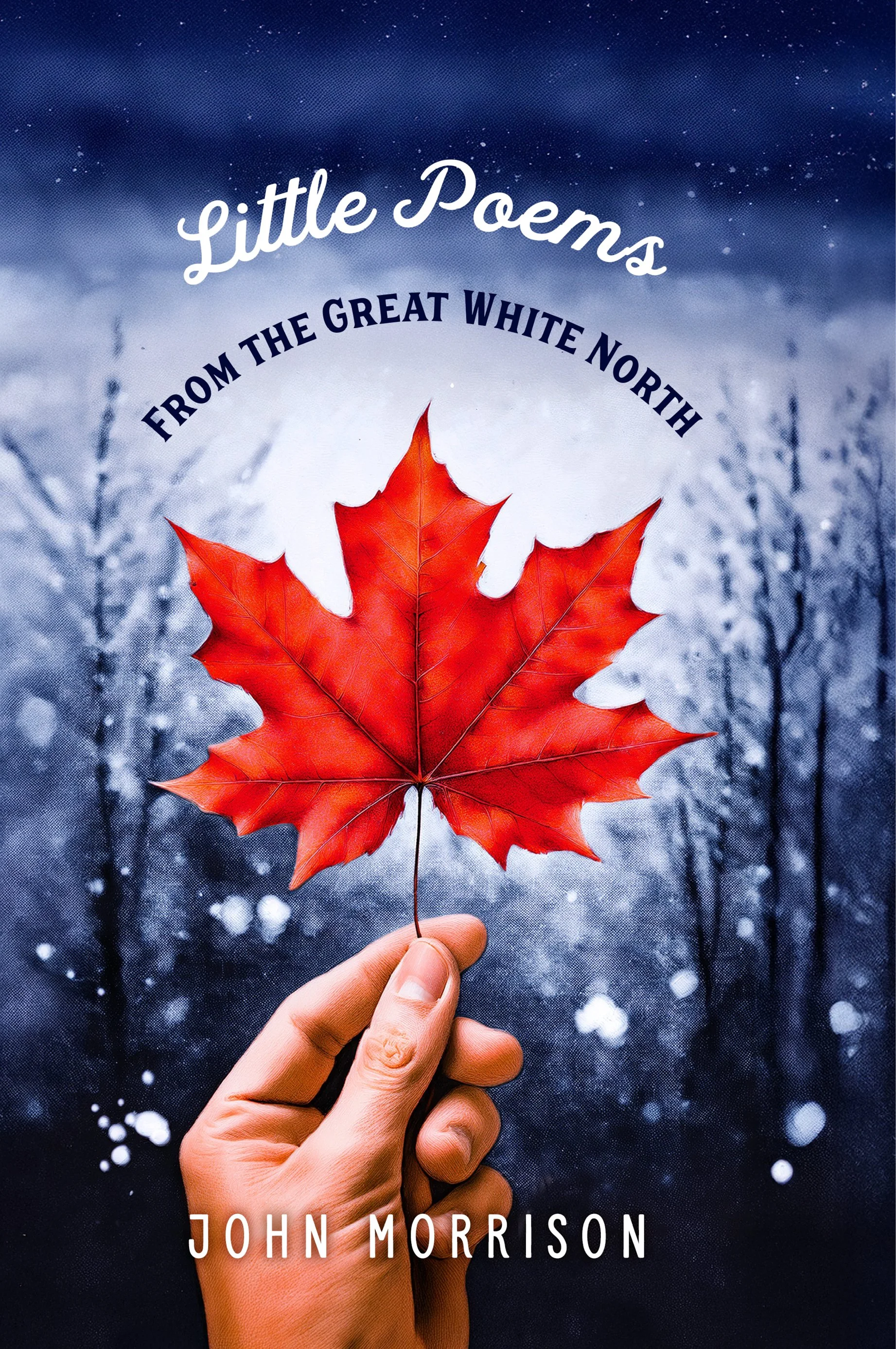
Recent cover designs, from High Fantasy to Colonial History, Real Estate to Middle Eastern Politics




7 Essential Tips for Authors on the Art of Research Organization

For writers, research is often the invisible backbone of compelling narratives, rich settings and believable characters. Historical fiction and fantasy worlds don’t magically come to life if the art of research isn’t mastered. It can mean the difference between a smooth creative process and weeks lost to digital clutter and forgotten references.
Why Organizing Information Is Necessary
The curse of creativity can be a messy mind. However, as much as wordsmiths would love a second brain to store and organize research data, disorganized information can still lead to a loss of time and effort skimming for details. Thankfully, some digital tools, like a bookmark manager, can make it easy for writers to track their digital library.
The reality of chaos can waste energy and time, precious resources that should otherwise be spent doing actual writing. Writers can’t afford these inefficiencies, especially under tight deadlines.
This article outlines seven essential, research-based strategies that every author — novice or seasoned — can adopt to streamline their process, boost productivity and elevate their work.
1. Get on the Right Track With an Outline
Aimless research can consume hours without yielding relevant insights. Creating an outline acts as a directional compass for the research phase, giving authors clarity and control. While it doesn’t have to be rigid, an outline serves as a skeleton for the writing structure. It helps identify core areas where deeper research is needed, especially in historical context, setting details or linguistic accuracy.
Drafting an initial outline or a concept map — even if it evolves later — ensures that writers are not merely hoarding facts but curating them intentionally. Authors who plan with subheadings or thematic chunks tend to maintain narrative coherence and avoid the temptation of unnecessary digressions.
2. Set Goals and Deadlines
Research can quickly turn into a rabbit hole that authors often fall into when inspiration meets unlimited information. But time is a finite resource. Without a plan, even seasoned writers risk over-researching trivial details and under-researching critical narrative elements.
Establishing strict time blocks — for example, allocating one hour for learning about 18th-century naval ships — ensures time is used wisely. Setting deadlines for each stage of the research process keeps projects on track and allows authors to focus on quality over quantity. Set timers, limit database scrolling and assign deadlines for compiling source notes. It’s not about how much research gets churned but how much it supports the manuscript.
3. Pen Notes in a Physical Notebook
While digital tools offer convenience, physical note-taking has a unique edge — it helps embed ideas into memory and provides a tactile sense of ownership over the research. Studies in education and cognitive psychology confirm that writing by hand improves retention and critical thinking; plus, physical writing encourages engagement in the work being done and can even boost critical thinking skills.
Moreover, having one physical notebook to return to minimizes the chaos of scattered ideas across apps, browsers or multiple devices. It also avoids the saving syndrome, where information is stored but never revisited.
For those who prefer digital organization, a compromise is maintaining a single dedicated folder segmented by labeled documents and relying heavily on search functions like Ctrl+F. Just avoid the trap of saving endless PDFs without ever reviewing them.
4. Label Each Idea Clearly
Proper labeling is a simple but powerful organizational technique. Whether working digitally or by hand, clarity saves hours later on.
Digitally, create hierarchical folder structures — for instance, a master folder called Book Research, with subfolders for Characters, Architecture, Weapons or Historical Events. Within each, label documents by topic, like Victorian Hair Trends.pdf or Etymology of Elvish Names.docx.
Physically, use headers, section breaks or colored tabs. Color-coding by theme — like setting, character and era — lets writers navigate notes visually without rereading everything.
In both formats, adopt a consistent naming system. Writers can thank themselves later when looking for that one obscure article about 14th-century Parisian street markets.
5. Create a Character Bio Template
For fiction authors, especially those developing expansive casts, character bio templates are invaluable. They ensure consistency and help make each character distinct. More importantly, having this structure ready keeps the research targeted. Use a customizable template like the one below:
● Name
● Hair color
● Eye color
● Nationality
● Language
● Birthday
● Age
● Clothing style/color
Add optional fields for motivations, fears, backstories, relationships or occupations. Then, file each character’s research — whether visual references, historical context or personality notes — under their corresponding bio.
6. Research Only What the Characters Know
In world-building, it’s tempting to research every cultural nuance, weapon design or medical practice in history. But ask — does the character know this?
Limiting research to what the characters can realistically access or perceive keeps the process efficient and maintains narrative authenticity. For instance, a 19th-century sailor won’t describe a storm using meteorological terms, so why research barometric pressure shifts?
This character-centric approach helps writers avoid information overload and unnecessary exposition while sharpening the realism and perspective of their prose.
7. Keep a Works-Cited Page for the Research
A dedicated works-cited document or bibliography is crucial for nonfiction authors who must reference their sources and fiction writers who draw heavily from real-world facts, locations or legends.
Maintaining this list ensures intellectual honesty and streamlines revisions, especially if an editor or agent asks where that specific fact can be found. It also aids in future projects — no need to re-research what is already known.
Many writers skip this step until it's too late. Avoid that mistake. Create the bibliography as the research progresses, not after.
Organize to Create, Not to Hoard
Research is the groundwork of compelling storytelling, but it can be more of a burden than a boost if it isn't organized. Whether an author is just beginning their first novel or working on their 10th nonfiction volume, these seven essential tips provide a professional framework for keeping information accessible, relevant and usable.
About the Author
Eleanor Hecks is a writer and web designer who is passionate about helping other writers grow their online presence. Her work can be found on her site Designerly, as well as publications such as IndependentPublishing.com and I Need a Book Cover.
Authors, Privacy and the Law

Richard Potter SC, defamation and privacy legal expert, has written an interesting paper on the current state of privacy law. In the introduction to the paper, he writes that:
“Australia has been an outlier for many years within Western legal jurisdictions by declining to introduce laws regarding serious invasions of privacy (outside existing personal data protection laws). The changes, to come into effect on 10 June 2025 throughout Australia, will almost certainly require publishers to engage in careful scrutiny of nonfiction publications – especially biographies and true crime.”
and in the conclusion:
“As with defamation, my advice is always to step back and imagine you are the person affected and try to stand in their shoes. Is it truly private and personal? Does the individual sometimes seek self-publicity? Is the information already in the public domain? Does it involve children in any way?”
No independent author wants to be caught up in expensive legal action relating to their book. If an non-fiction author suspects some of their material may be objectionable to other parties, she/he should seriously consider obtaining legal assistance or modifying the material in question. I have witnessed several expensive legal confrontations relating to defamation / privacy that could easily have been avoided.
The Typical Costs of Each Stage in the Publishing Process

Becoming a published author can be an expensive endeavour with little monetary rewards, at least initially. Once writers have a number of books published, the royalties increase. The lucky few get a contract and a small advance from a publishing house. Looking at the expenditures during each stage of writing, designing a cover, formatting the interior, and marketing gives wordsmiths insight into the expense of breaking into the business.
Cost for Each Stage of the Publishing Process
Online forums and blog posts offering advice about jobs to get into on a shoestring cite writing as an option. While it can be fairly inexpensive to jump in if one already owns a computer, there are fees to consider. How much money one makes on each project varies widely.
An Authors Guild survey indicated full-time novelists earn a median income of $20,000 per year, while part-time ones earn significantly less. New writers must factor in a variety of expenses to consider how much they actually earn.
Writing the Story
If the writer already owns a computer, pricing is significantly lower to get started. Some Chromebooks typically run under $300 and will serve the basic needs of having a Word Processing program and the ability to send email inquiries to publishers or upload the book to an online portal.
Many options exist for processing programs, but Microsoft Word is one popular option. Authors will need a Microsoft 365 $99.99 per year subscription to use the desktop version of the software.
Wordsmiths must consider the time it takes to finish a tale. People could spend the same hours on a side hustle instead of writing, so unsuccessful books are the same as lost potential income. Writers should weigh the pros and cons. One rule of thumb is that if the person can stand to not write, then they should do something else. If stories take over their thinking, the individual should go ahead and write them but understand profit is fickle.
Editing is crucial for an acclaimed story. While free software like Hemingway exists, for a better editing process, invest in Grammarly or one of its counterparts. Many authors pay a professional editor per page for at least a quick proofread, which can add up to hundreds of dollars per novel.
Formatting the Interior
Formatters must lay out the inside of the book in a particular way to grab the attention of an editor or for self-publishing on sites like Amazon, IngramSpark and Draft2Digital. A new writer will either pay someone for this service or learn how to format on their own by viewing YouTube videos and trial and error.
The price of formatting an interior depends on the number of pages and how many images are inside. Adding elements such as print versions increases the fee. More experienced designers also charge more.
Authors should consider how and where they'll publish, as the number of pages and thickness can impact the overall page count. Even the type of paper can make a difference in printing costs — for example, while nearly half of U.S. and U.K. consumers feel sustainable materials are crucial, these materials can rack up costs more quickly than traditional paper. Though, these extra costs may be at least partially offset by giving creators an edge with eco-conscious readers.
Designing a Cover
As with other aspects of a new release, the expense of commissioning a cover for a book varies. Artists may charge little for a premade cover but up to hundreds of dollars for a custom design. The more eye-catching ones belong to in-demand designers, who charge a premium for their services.
For a self-published ebook, using a service to make a design can save money. However, print versions are more complex and typically require expertise to get the sizing and layout correct.
Publishing Costs
How much a person spends to release their product depends on whether selecting a traditional publisher, assisted publishing or self-publish. For ebooks, expenses are lower.
Traditional Publisher: It pays the creator, either in royalties or a small advance that can pay royalties after the author sells enough copies to match the advance. The publisher pays for the cover art, formatting, editing and partial marketing.
Assisted Publishing: The company charges for a print run, which is typically thousands of dollars and may promise to market it. The project usually does not earn enough to be profitable. However, for someone who wants to get their memoir out or a business book, it can be a quick way to market with a professional end product.
Self-Publishing: The DIY option takes only time and effort to upload the finished work, assuming the author already paid for formatting and a cover. The writer keeps a higher percentage of royalties and maintains full control.
Publishing costs, like most things when launching a book into the world, vary significantly. Finding the right range takes dedication and practice.
Marketing
Whether traditionally or self-published, wordsmiths must create a budget for marketing. Costs to run a newsletter list, take out ads on Amazon and social media and participate in events add up. With around 151,200 authors and writers in the U.S., having a way to reach new readers is crucial. Add the expenses of maintaining an online presence, such as a website, to the marketing budget.
Costs Versus Rewards of Publishing
Many writers create books for the love of the craft. Whether the work ever turns a profit is a lesser consideration for them. Others love to pen novels and also want to make a living. Finding the right mix between spending and profit requires dedication. Getting into publishing requires at least some money. Being aware of the different possible expenses allows writers to make an informed decision about how much time they spend writing and how they release the book.
Article contributed by Eleanor Heck. Eleanor is a design expert for Designerly Magazine, where she keeps readers up to date with the latest WordPress and publishing trends.
Resources for Authors, updated

Independent authors are faced with a bewildering new world when they attempt to promote their books on snd offline. But there are lots of free or very low cost resources online. The following authors and sources do an excellent job of making sense of the contemporary publishing and promotional landscape, and all are worth reading.
Euan Mitchell's Your Book Publishing Options
How to Be an Author from Fremantle Press
Let's Get Digital by David Gaughran
Ricardo Fayet's How to Market an ebook
Ricardo Fayet’s How to Market a Book — Overperform in a Crowded Market
Amazon Ads Unleashed by Robert J. Ryan
Amazon Selling Services from Helium 10
Author 2.0 Blueprint by Joanna Penn
Multiple resources and useful links from Joanna Penn