

While a website will not, on its own, drive much traffic for an author, most established authors have a site dedicated to their published books, and establishing the basics of their story. If a potential reader is searching for information about a particular author, it is good for them to have somewhere to go. Independent authors will typically only have a small (or no) budget) for such an undertaking, Fortunately, there are some excellent website building services that do not require their users to code or even know much about the technical side of things. So keep it simple to begin with, maybe even just a single page with links to your Amazon and other listings.
Cover to Cover to Cover
We have been working on the usual variety of book covers, covering everything from world championship athletes to an 18th century convict fleet. We strive for impact, high contrast and uncluttered design.




The Sentinel book cover design
Jacqueline Hodder’s excellent book The Sentinel is out now. She reports satisfaction with the cover design, which was a very interesting task involving lighthouses and persons in period attire. And who doesn’t like working with louring skies and dramatic storm-torn coastlines? Here is the bliurb for Jacqueline’s book:
“Escaping from a disastrous relationship, Kathleen Devine flees to an isolated lighthouse off the Victorian coastline. Taking up the position of Head Teacher to the lighthouse keepers' children, she is ensnared in the lives of those marooned on the lonely outpost and soon realises no-one can escape their past. When the fearsome Head Lightkeeper, Mr Johannsson forms an unlikely friendship with the daughter of one of the keepers, it threatens to destroy their fragile peace. Can Kathleen find the strength to survive and answer the question that haunts them all: what happened to Isabella and why?”
Available here: https://www.amazon.com/Sentinel-Jacqueline-Hodder/dp/0648899403/

What those Weird Little Proofreading Marks Really Mean...
Spotted on the Web…

My personal favourite is “more hypnosis”.
http://www.incidentalcomics.com/2016/10/proofreaders-marks.html
Recent Cover Concepts
A wide range of topics and treatments in our recent cover work, from Vienna to Byron Bay, outback tall tales to environmentally sound tips.



Scripted Response — Three Posters


Noted editor and author Euan Mitchell commissioned three posters for screenplays he entered into American scriptwriting competitions. The above posters are the final drafts. Happily, he has received several awards for his scripts.
Book Cover Designs for August 2020
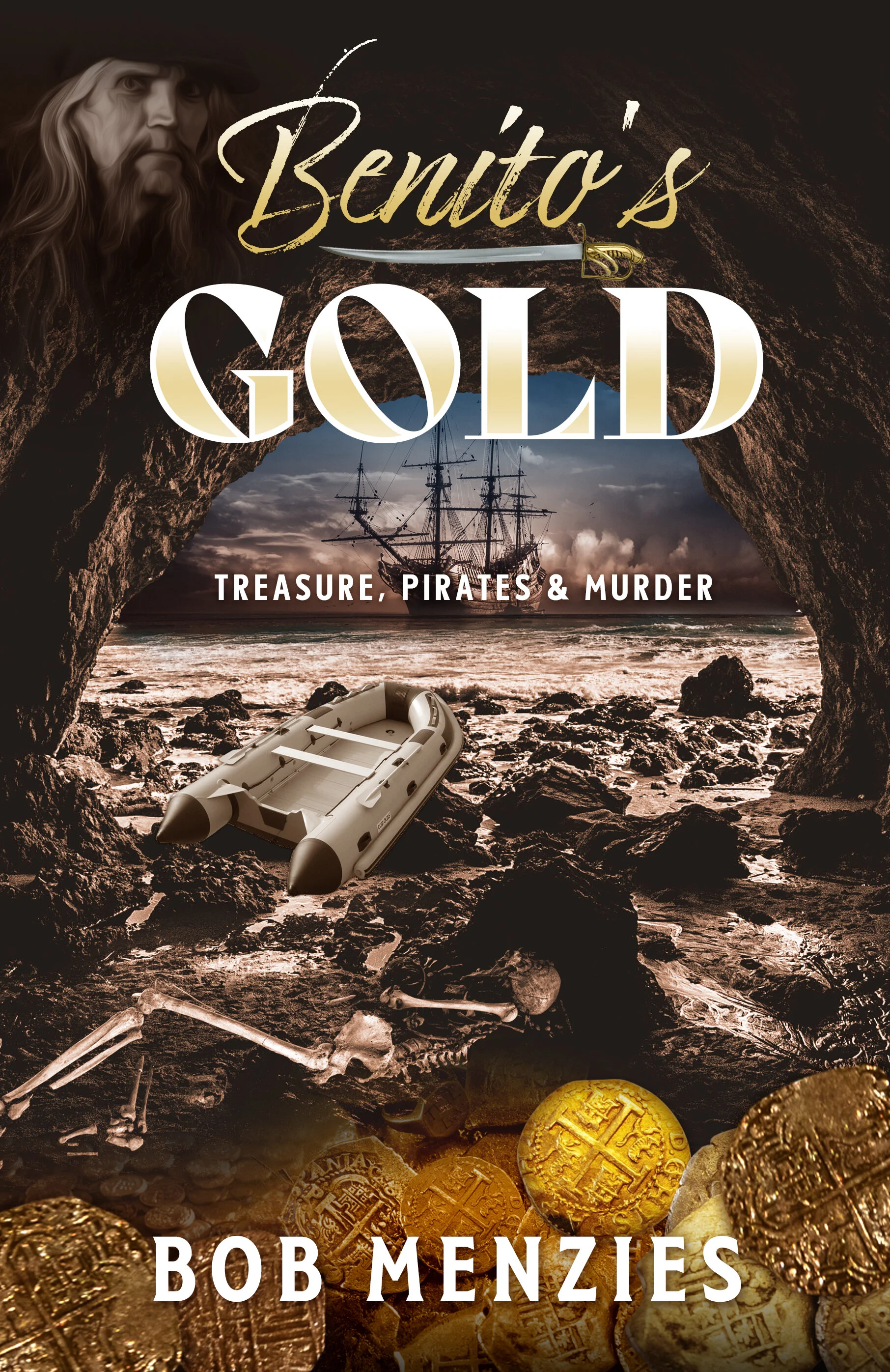
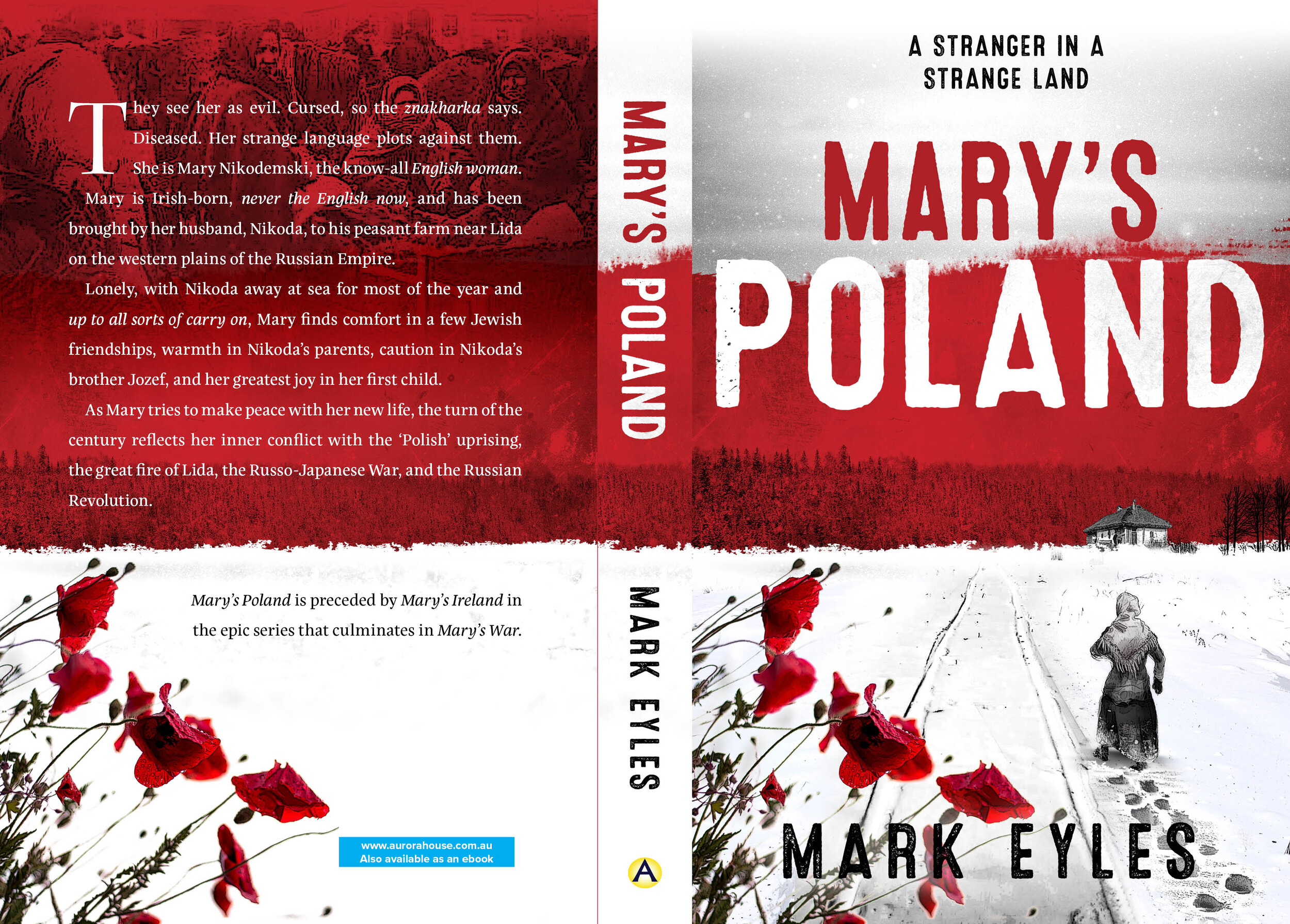
A variety of recent cover designs carried out during the era of COVID 19. From pirates to Poland, space opera to wheelie bins…




Glenice Whitting shortlisted in Indie Excellence Awards

As the name suggests, the US-based Indie Excellence Awards were instituted to highlight the best examples of independent publishing. Scrolling through their 14th annual shortlist does give one a sense of diverse, high quality work. We are happy to relate that Glenice Whitting’s What Time is it There"? was deservedly shortlisted. We assisted Glenice with the design of her book in 2019. Glenice’s excellent website can be perused here, and includes purchasing information and a thoughtful blog.
Dancing Between the Opposites — Exploring daoist Practices
Craig Mallett’s “Dancing Between the Opposites — A daoist guide to balance and self-cultivation” has just been published and is now available online and directly from Craig. The title is available at Amazon and Book Depository in addition to other outlets. An accompanying page has been set up at the author’s website. WorkingType typeset the title, with excellent illustrations and cover design by Pelin Ko.

“Drawing on his extensive experience across traditions in meditation, Daoism, and other forms of self-cultivation, coupled with his background in Martial Arts and many other forms of physical movement and exercise, Craig Mallett brings his readers a guide that is both practical and spiritual. His approach to the Da Xuan tradition of Daoism will help those interested to engage with its ideas and practice their application. ”
June 2020 new cover designs
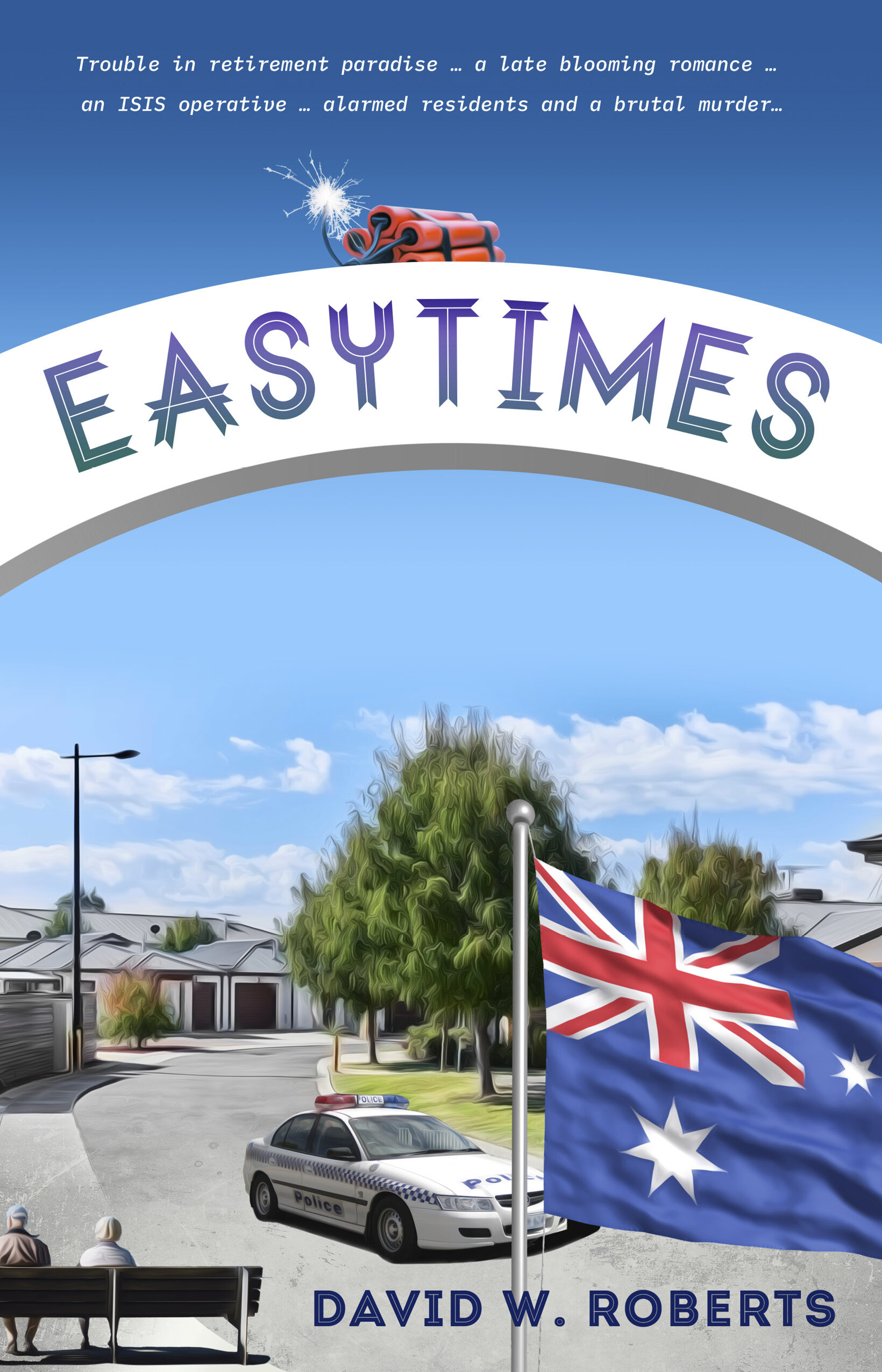
A variety of new cover designs dealing with a broad range of subject matter.



Online Data Storage Services Reviewed

While many users of online data storage simply go with the big fish (Google, Microsoft, Dropbox or Apple), there are other providers out there offering interesting and very cost-effective solutions.
Software How gives a detailed run-down of the contending cloud storage services and their recommendation for the top three.
As the reviewer notes:
“As I said, some disasters are bigger than others, and won’t just destroy your computer, but maybe your building or even worse. So it’s good to keep a backup of your computer in a different location.”
Shore to Shore cover — Exploring the Mornington Peninsula


Fair Use / Fair Dealing Quotations
Many independent authors believe they need to seek permission to quote sections of other works. However, the doctrine of ‘Fair Dealing” allows for quoting from other works within certain constraints. This Australian government article spells out some of the issues. The Arts Law Centre of Australia also gives some very useful information on the topic.
Recent Cover Design examples
A few recent cover designs, from high fantasy to Australian railway trips…


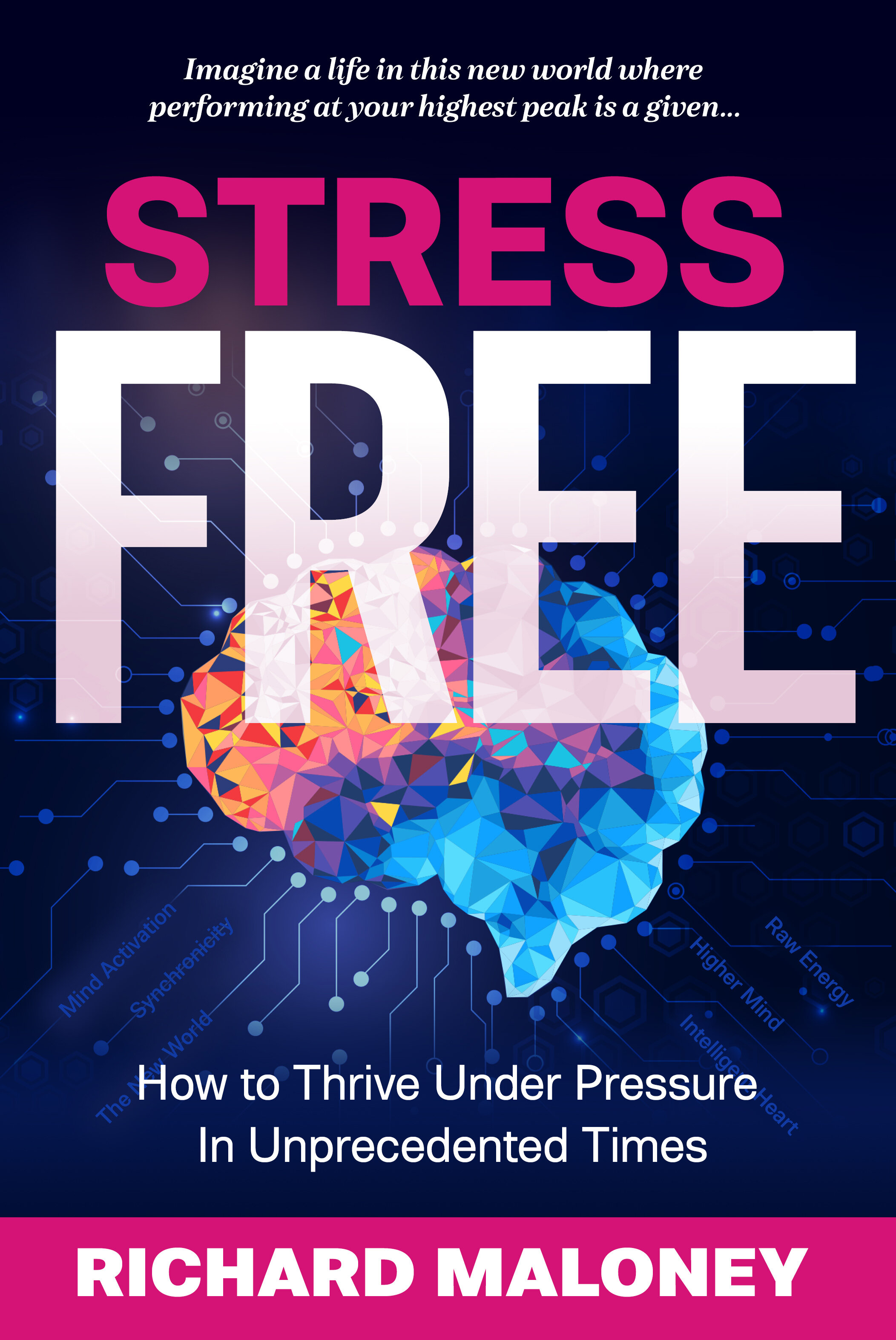

The Queen of Limnos receives media attention

Academic and author Tony Whitefield recently published The Queen of Limnos, an interpretation of the Ancient Greek story of Queen Hypsipyle. Neo Kosmos ran an interesting story on his book. The article quotes the author:
“We have Homer and Hollywood to thank for the list of A-graders, but a closer inspection of Hypsipyle’s life leads me to conclude that between 2500 and 2000 years ago, she was an important mythological and literary character, worthy of the attention of major playwrights and authors”
WorkingType designed and typeset The Queen of Limnos earlier in 2020, and we’re pleased to hear the book is selling steadily.
Four Covers for 2020
A small sample of recently cover drafts for WorkingType clients, featuring the usual interesting diversity of subject matter and tone…


![July Seventeenth cover_front_05[5].jpg](https://images.squarespace-cdn.com/content/v1/51dc1c1ee4b0c7a76cdb8427/1583867516955-NAY2PXMY5LXUCFZ76WIJ/July+Seventeenth+cover_front_05%5B5%5D.jpg)

Amazon advertising and BookBub
Practical suggestions from a very active and savvy independent author:
Four years ago, I fluked winning a FREE Featured Deal. I had five other books at the time, and the sell-through, and KUs were great (250,000/month). On top of this I received an additional 70 reviews for the Featured book, most of them 5-star. At the time I knew next to nothing about BookBub and expected to keep on winning Featured Deals. Was I in for a sad awakening!
Fast forward to July 2019 when I sold a mere 100 books and had a miserable 14,809 KUs. To make matters worse, I had more than doubled my number of books. There are many reasons why the preceding occurred, but the main one was that I did no promoting either via social media or paid advertising. I should say that writing is not my prime source of income, which is just as well, because if it were, I’d be starving. That said, I have a certain amount of pride and set out to remedy the foregoing.
I decided I’d actively advertise my books in promoters’ newsletters but would not spend more than $150 per month. The results to date, while not great, are promising. I’ll sell more than 200 books in October, and my KUs will nudge 30,000. The increase in revenue more than covered my advertising costs, and my numbers are up 100%. The idea now is to compound them at the same rate for the next four months.
I have not applied for a BookBub Deal this calendar year but soon will. If I’m successful, BB will be the exception to my $150 rule. I will not accept an international Deal and am of the belief that without the U.S., BB’s Deals, even with sell-through and KUs are still likely to be losers. The U.S. is critical.
The struggle that I have had is finding six suitable promoters for the seven-day Amazon countdown period. Outside of BookBub, ENT is the absolute standout. I don’t advertise the day after ENT ($45), as I’m still getting good sales and KUs from the day prior. The next-best promoter is BookRaid because it’s cheap (about 18 cents a click and usually less than $3) and is good for approximately 10 sales. Let’s say I’m promoting a book with a rank of #300,000 … it won’t be attractive to ENT’s subscribers, but by using BookRaid on the first day and another small promoter (say Authors XP at $20) on the second day, I can lower the ranking to sub #40,000 by the time ENT’s promo kicks in on the third and fourth days. Now it gets hard as I have three days to go and a remaining budget of about $82. The promoters available are eReaderIQ, FKBT, ManyBooks, The Fussy Librarian, Robin Reads, Just Kindle Books, Book Rebel, Book Gorilla, and Book Cave. I have had reasonable success with eReaderIQ ($20), FKBT ($30), and ManyBooks ($29). I might be tempted to replace FKBT with Book Gorilla ($50), but it would blow my budget by $17, and I’d need another 25 sales to justify it, and that’s unlikely.
Finally, I tried Amazon ads when they were first introduced in the U.S. with moderate success, but the competition was too hot (Mark Dawson spent $50,000 on Amazon Ads last month). However, Amazon has just introduced ads in the U.K., and I have 10 running, and they’re doing okay. I’m running them for two reasons … first-mover advantage and currently I hardly make any sales in the U.K.
5 Reasons Why Book Typography Matters More Than You Think
A Guest Post kindly supplied by Desiree Villena:
Everyone knows that, if you want your book to sell, you need to hire a great cover designer. But many people don’t think about how important your book’s interior design is, as well. I’ve seen too many books, both self-published and traditionally published, that have clearly skimped when it comes to formatting, and as a design nerd, it makes me so sad.
But there’s much more at stake than just hurting artistic souls — think of the practical considerations. You may not realize it, but typography can have a big effect on a reader’s reaction to your book, whether they consciously notice the fonts or not. So today, I’m going to break down the five most important reasons why book typography matters for every book — including yours.
1. Professionalism
While the cover is easily the first thing readers will notice when they’re deciding whether to pick up your book, the typography is the first thing they’ll notice once they open it up. So it’s important that you make a good impression. Seeing a professional cover and a sloppy interior is like meeting someone in person and realizing that their profile picture was a lie.
If you ever doubt the impact that a font can have on your professional reputation, consider this: would you be more inclined to trust someone whose resume was printed in Times New Roman, or Comic Sans?
Similarly, your book will be judged on what kind of font it’s printed in. Perhaps not consciously — not many people can point to a book and go, “Oh, that’s in Garamond,” or “That looks like Caslon” — but the wrong font will make something feel off about the book.
But what makes something the “wrong” font? That’s where the other factors come into play.
2. Genre expectations
This is one of those things that you’ve probably never consciously noticed before, but once you do, you can’t not notice it. Different genres tend to be published in different types of fonts, and you want your font to reflect the contents of the story as much as your cover and title do.
For example, a quick survey of my personal library shows me that speculative fiction uses a lot of Palatino, whereas YA contemporaries are often published in softer, more “playful” fonts like Century Book or Bembo. You can also never really go wrong with Garamond, the most “bookish” looking font of them all. But it’s not always necessarily the perfect font, either.
And don’t forget about typography on chapter headings! Age ranges and genres follow trends here, too, with YA and middle grade among the most creative, and literary fiction setting a high standard for refined understatement.
3. Readability
Of course all fonts are technically readable if they contain all the letters of the alphabet. Unlike handwriting, the letter A will appear the same no matter how tired you are when you hit the key on your keyboard. But the truth is some fonts are just easier to read than others. It’s why we usually publish books in serif fonts instead of sans-serif, and it’s why we make the letters bigger in kids’ books than in novels for adults.
Here, it’s important to consider function over form. Font size, line spacing, and margins are all key factors to making sure that the font you’ve chosen will read well to your target audience.
Some fonts just have a natural size they look best at, but will that make your book too slim or too chunky? If you’re targeting older readers, is the font too thin and “fussy” to be read without squinting? The more you take into account, the better your book will be.
4. Fatigue
Readability plays into this, but it’s important enough that I feel it’s worth a separate mention. Because one of the downsides of poor readability is that readers are likely to tire of reading your work sooner — or even develop eyestrain.
Let’s face it: a lot of things demand our attention these days. From work to families to keeping the house in order to the sweet siren song of social media, it can be hard to find time to read at all. The last thing you want to do is make your book cause physical discomfort. There’s nothing more likely to make people to put it down — and perhaps never pick it back up again.
Good typography, on the other hand, is comfortable on the eyes, and can play a surprisingly significant role in whether readers perceive your book as a slog or a joy to read. That’s why it’s crucial to choose your font wisely.
5. Reader mood
You know the genre expectations we talked about before? A big part of the reason those exist is because different fonts subconsciously convey different “moods.”
These are most noticeable in splashy fonts that you’d use more in titles than in text blocks — a futuristic sci-fi font, an elegant hand-lettering font — but even the fonts you’d format a whole book in can have an impact. Some are stuffy, some soothing, and some just kind of dull. It’s important for your designer to keep these differences in mind and understand how the font of the chapter headings works together with the font of the story, in order to create a professional product.
Remember: choosing good typography is a bit of an art, yes, but it’s also a marketing choice. And marketing is a subtle game. Everything from the layout of your local grocery store to the color of your laundry detergent bottle has an impact on people’s buying choices. Why should books be any different?
Desiree Villena is a writer with Reedsy, a marketplace that connects self-publishing authors with the world’s best editors, designers, and marketers. She's very passionate about helping aspiring authors reach their dreams, and enjoys reading and writing short stories in her spare time.
Peter Ralph reviewed

“This is my first book by this author, but it will definitely not be my last. Mr. Ralph has taken a frightening and current issue, that of court appointed guardianships, and skillfully woven a thought-provoking, completely captivating, outrage-inducing work of fiction. The underlying concept of guardianships and their potential as instruments of legal theft and abuse has, sadly, become a widespread, yet fairly unrecognized, plague preying on the elderly segment of our population. Most people who read this book will probably think that this couldn’t possibly happen in reality but even a cursory search on the internet will lead to a vast wealth of information confirming this treachery as both real and ongoing. I applaud Mr. Ralph’s efforts at bringing this important issue to the attention of his readership. This is a well-written fast-paced story that will hold your attention from the first page to the last. The main character, Josh Kennelly, is a wonderfully likable veteran who goes the extra mile to help out a fellow vet when that man’s father falls victim to the guardianship trap. I have a feeling that this story will stay with you long after you’ve finished reading.
I was provided with a free advance copy of this book but decided to purchase a copy to start my Josh Kennelly collection and I am voluntarily offering this honest and unbiased review.”
5 Benefits of Writing And Why You Should Make It a Daily Habit
A guest post kindly contributed by freelance writer Angela Johnston.

Are you writing daily?
Writing can be a hobby that is incredibly beneficial for your everyday life.
You write to keep track of your ambitions, to improve your vocabulary, to get your story branded and published, or to maintain a journal of your day’s events or the on-goings in the world around you.
Below are some of the notable benefits of writing daily and the impact it can have in your life
1) A Wake-Up Call For Your Brain
If you have ever gone to work only to find yourself seated at your desk for several hours waiting for your mind to get with the program. That translates to lost time that you can never recover and if you are unfortunate to be forced to tackle anything, then you will have a tepid approach to handling the task.
Try and hit the ground running when you get up in the morning and prepare to head to your workplace. You can do this by sitting down and penning down your day’s agenda or playing a crossword puzzle as you sip your morning tea, coffee, or smoothie.
For instance, you can come up with writing assignment routine for your mornings in which you have topics on slips of paper that you pull out from a jar and write about what is on the selected slip
Conversely, you can subscribe to mailing lists and have a subject delivered in your inbox every morning. According to the hypnotherapist at AOTH, the objective is to get your brain’s gears turning early in the morning so that you are mentally awake as you head to the office. They explain that “by getting your mind going early, in turn, you will be able to stay focused, and you will be ready to handle anything that comes to your desk.”
2) Stream Of Consciousness Riddance
It is not common to wake up with a story to write in mind.
But you can pen down your first thoughts of the day and then work from there. It can be something as simple as “another wonderful Friday morning – the weekend loading; I am looking forward to the BBQ party this Sunday. I do hope my Saturday will set the right tempo.”
According to the relationship counsellors at Thinking Families, this can be an opportunity to vent your worries or frustrations that may have accumulated overnight. They explain that “this allows you to start your day on a clean slate. Moreover, writing down your thoughts will be an excellent way of self-exploration as you reflect on things and take a day off writing to read what you scribbled the last few days. It will help you identify some of the issues which popped up severally in your writing that you need to address so that they stop weighing your down.”
For instance, if you find that you start your day with some self-criticism, then you should put in more effort to appreciate and be kinder to yourself. Look at ways of starting your day on a positive note by thinking of positive affirmation worth writing about as you proclaim self-love.
3). Dream Recall
Your dreams may be a source of inspiration; therefore, consider keeping a dream journal by your bedside. You can then scribble down what you encountered in our dreamworld if you are startled into the waking world.
BONUS TIP: Jot down anything even if it is to state that you did not have any dreams.
Try to scribble what you can recall for your slumber’s meanderings, even if all you can remember are colours. It may help to gradually improve your ability to remember the details of your dreams and then you can start notices themes or patterns in your dreams.
4). Expanding And Maintaining Your Vocabulary
What you have but fail to use often loses its usefulness.
This also applies to your vocabulary. In this age in which tweeting and texting are the things that fuel how we communicate; people are increasingly encountering mental blocks when it comes to their word banks. It is the result of trying to condense thoughts and conversations into few words and character.
It is a culture that will birth problems when individuals must sit in a meeting, and all that comes to mind is cooked up jargon.
They most likely will ensure up using terms and phrases that are inappropriate for such a sitting. The same will be evident when they must write an assignment, and they end up spending much of their time go through a thesaurus in search of appropriate words.
Therefore, waking up to writing something down every morning can be a great way of expanding word bank and maintaining your vocabulary. You will find yourself fitting some of your words into your day’s written exchanges and leave people impressed.
5). Evening Contemplation And Relaxation
The demand of the day will have many people stress, and their minds preoccupied with how they will complete their duties. Such things will weigh us down. The only time, we get to enjoy a break from these responsibilities is when we are sleeping.
So, why not keep a journal or notepad on your bedside on which you can pen down your day’s thoughts and encounters? It can be a therapeutic platform on which you can vent, distress, and relax as you let go of your woes by acknowledging and writing them down. It will also help you enjoy better sleep.
Alternatively, you can opt to meditate or do some simple exercises or yoga poses. According to the Kinesiologists at Shen Ko Vitality, “exercise is vital in de stressing your body, especially after a long day of mental stress from work.”
In conclusion, writing daily is both therapeutic and enables a clearer mind moving forward. You’ve simply got nothing to lose with this easily adoptable habit.
If you’ve ever considered taking up this habit by writing a book, don’t hesitate to contact Working Type to help you design your book cover before getting it published!
___________________________________________________________________________
Written by: Angela Johnston
